Urban Rewilding 2025: How Cities Are Embracing Nature to Combat Climate Change and Boost Mental Well-being
Rewilding is more than a trend; it is a necessity for our future. By welcoming nature back into our cities and homes, we heal the planet and ourselves. Start small today—plant a native flower and watch life return to your doorstep.
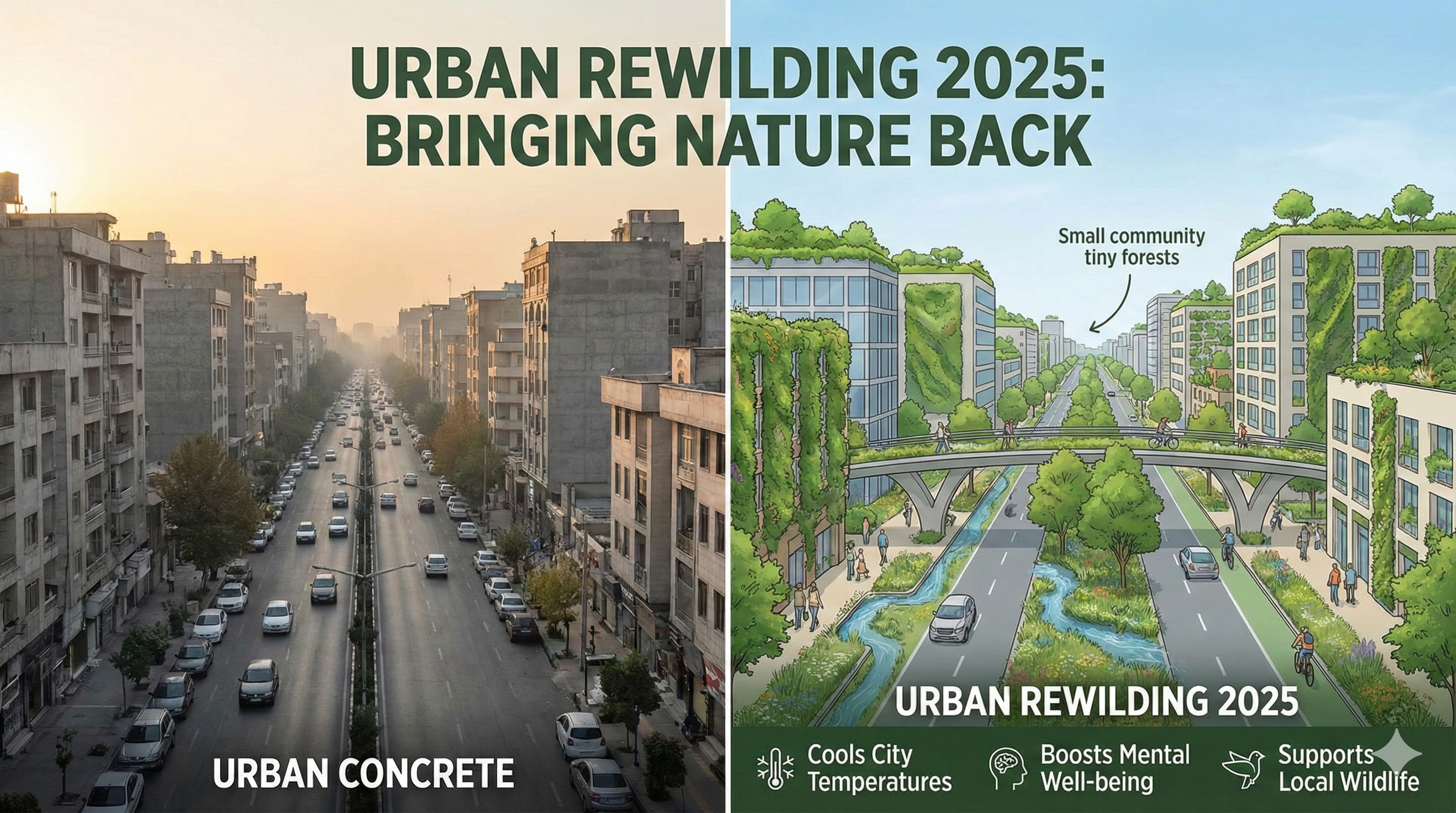
H1: Urban Rewilding 2025: Bringing Nature Back to Our Cities
As we move through 2025, a major shift is happening in our global cities. We are no longer just visiting nature; we are inviting it back into our daily lives. This movement is called Urban Rewilding.
It is not just about planting a few trees. It is about creating wild spaces in concrete jungles to lower temperatures, clean the air, and improve our mental health. From Singapore to London, cities are transforming into green sanctuaries.
H2: Why Urban Rewilding is the Top Trend of 2025
The natural environment is facing challenges, but urban rewilding offers a powerful solution. Here is why this trend is taking over the world:
Cooling the Planet: "Micro-forests" in cities can lower local temperatures by up to 2°C, fighting the urban heat island effect.
Mental Health Boost: Studies show that seeing wild greenery reduces stress and anxiety. Nature is becoming a key part of self-care.
Biodiversity Support: Native plants attract bees, butterflies, and birds, helping repair local ecosystems.
H2: Key Elements of a Rewilded City
What does a rewilded city look like? It goes beyond typical parks.
H3: The Rise of Tiny Forests
Communities are using the Miyawaki Method to plant dense, fast-growing native forests on small plots of land. These tiny forests grow 10 times faster than standard plantations and absorb more carbon.
H3: Green Corridors and Living Walls
Architects are designing buildings with "living skins" of moss and ferns. Green corridors connect parks, allowing wildlife to move safely through the city without crossing dangerous roads.
H2: How You Can Rewild Your Own Space
You do not need a big backyard to join this movement. Here are simple steps to rewild your personal environment:
Plant Native Species: Choose local wildflowers for your balcony or window box. They require less water and support local insects.
Leave It Be: If you have a lawn, let a patch grow wild. "No Mow May" is now a year-round practice for many eco-conscious homeowners.
Create Water Stations: A simple bird bath or a small pot of water can save thirsty pollinators during hot summers.
Frequently Asked Questions (FAQs)
1. What is the difference between gardening and rewilding?
Gardening often involves controlling nature for aesthetics. Rewilding focuses on letting nature take its course, using native plants to restore natural ecosystems and support wildlife.
2. Can I rewild if I live in an apartment?
Yes! Vertical gardens, balcony planters with native wildflowers, and even window boxes can support pollinators like bees and butterflies. Every small space counts.
3. Why are native plants important for the environment?
Native plants are adapted to your local climate, meaning they need less water and fertilizer. They also provide the specific food and shelter that local wildlife needs to survive.
4. How does urban rewilding help climate change?
Trees and plants absorb carbon dioxide and cool down cities. This reduces the need for air conditioning, lowers energy consumption, and helps mitigate global warming.
5. Is rewilding expensive?
It can be very cheap. Often, it simply means doing less—like stopping the use of pesticides or mowing your lawn less frequently to let wildflowers grow.
Supporting Content: Social Media Shorts
Option 1 (Instagram/TikTok Caption):
Nature isn't just a place to visit—it's where we live. This year, we’re ditching the concrete jungle for #UrbanRewilding. Even a single pot of wildflowers can help save the bees! What’s growing on your balcony? #SustainableLiving #EcoFriendly #Nature2025
Option 2 (LinkedIn/Twitter Blurb):
The future of urban planning is wild. "Micro-forests" and green corridors are transforming our cities into carbon sinks. Urban Rewilding is not just good for the planet; it’s essential for public health. #Sustainability #UrbanPlanning #ClimateAction
Option 3 (Pinterest Description):
Transform your small balcony into a wildlife haven! Discover the top 5 native plants that thrive in pots and support local bees. #BalconyGarden #Rewilding #NativePlants